
ACEC Texas: Championing a Stronger Business Environment for Engineering Firms

Texas keeps growing, and infrastructure demand rises with it. For engineering firms, the hardest calls land upstream: who gets selected and what the contract asks the designer to carry, all within funding constraints that determine what can move and when.
That’s the business environment ACEC Texas is built to shape. ACEC Texas is the business association for Texas engineering firms. The organization works to strengthen the business environment by expanding market opportunities, advocating for infrastructure investment, and promoting sound business practices.
Discover how ACEC Texas turns that work into real-world impact across the state.
The organization protects procurement integrity through Qualifications-Based Selection (QBS), then traces the policy wins that affect firm viability alongside the member tools leaders use to operate and compete with more discipline under real-world constraints.
ACEC Texas at a Glance
ACEC Texas is the business association for Texas engineering firms, headquartered in Austin.
Founded more than 60 years ago, it represents 450+ member firms across a broad range of disciplines.
Its structure includes seven local chapters supported by a state office.
Mission shorthand: advance a favorable business environment for member firms and support the private practice of consulting engineering.
The Stakes in Texas
Texas added 391,243 residents in 2025, reaching 31.7 million people, and infrastructure demand has risen with it across transportation, water and wastewater, stormwater, and resilience work.
Where that demand shows up varies by region:
-
Coastal communities prioritize stormwater mitigation and hurricane readiness
-
Central and western areas are more focused on water supply
-
Urban centers push hardest on transportation
Demand is strong for structural engineering, mechanical, electrical, and plumbing (MEP), geotechnical work, and construction engineering and inspection (CEI), even as the mix shifts by geography and project type.
Even with that demand, the toughest constraint is often not the need but the willingness to fund it.
ACEC Texas Past Chair Wayne Swafford, PE, and chief development officer at Lockwood, Andrews & Newman, puts it plainly: “People know they need and want improved services, but when it comes to paying for them, that is the toughest part.”
That makes awareness and a case for investment part of the Texas infrastructure equation.
For engineering firms, procurement methods and contract terms shape risk exposure before project delivery is underway. Those pressures are exactly why ACEC Texas works at both the state and local levels.
How ACEC Texas Works Across the State
The reason ACEC Texas can act on the pressures firms face is structural. Its model creates a line of sight into how procurement and funding conversations play out locally, and it gives the organization a way to convert those realities into consistent statewide priorities.
ACEC Texas works through a central office and seven local chapters that connect engineering firms across the state. The chapters engage municipalities, counties, and regional agency offices, where procurement and program issues often surface first.
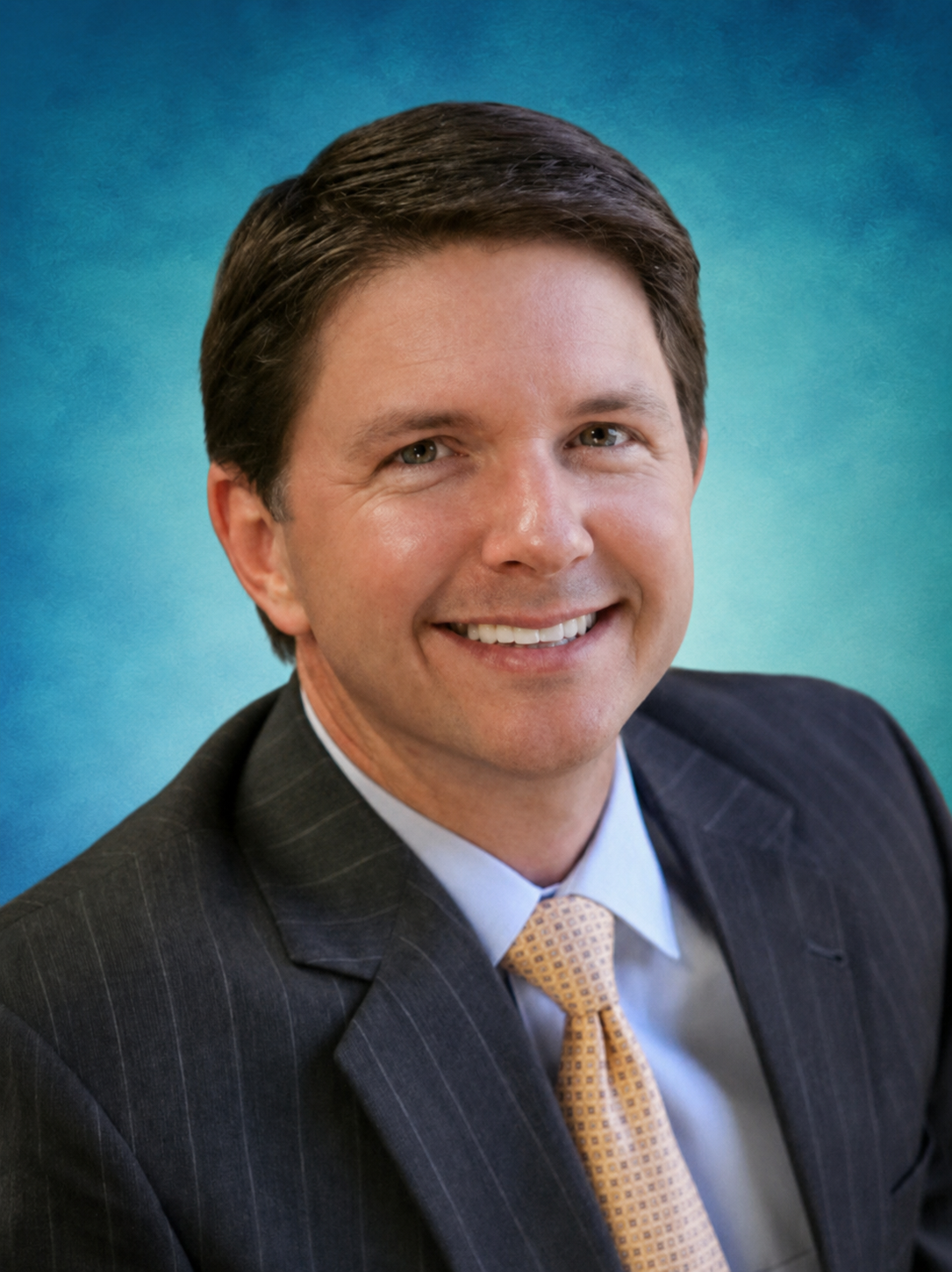
Since our founding more than 60 years ago, ACEC Texas has grown from a small group of firms seeking to effect change in public policy to a 450+ Member Organization representing a broad range of engineering disciplines.
Executive Director
ACEC Texas
The state office leads advocacy, educational programming, and strategic initiatives aligned to board priorities. That setup creates a direct path from local conditions to statewide action, so members’ needs and market realities inform programming, resources, and coordinated advocacy rather than living as isolated local issues.
Over more than 60 years, ACEC Texas has evolved from a small group of firms focused on public policy into a statewide organization serving a broad membership across disciplines. The through-line is advancing private practice consulting engineering by strengthening the environment in which firms operate and improving how professional services are supported across Texas.
“Since our founding more than 60 years ago, ACEC Texas has grown from a small group of firms seeking to effect change in public policy to a 450+ Member Organization representing a broad range of engineering disciplines,” said ACEC Texas Executive Director Peyton McKnight.
Procurement Integrity: Protecting QBS and Helping Owners Use It
Procurement integrity is one place where ACEC Texas turns advocacy into practical business environment work. Smaller agencies and communities do not always understand how to procure professional engineering services, and that confusion can lead to weaker outcomes and avoidable risks for everyone involved.
QBS exists to prevent that breakdown. Under QBS, an owner selects a firm based on qualifications and demonstrated competence first, then negotiates a fair and reasonable price. It is designed for professional services where quality and risk control matter as much as cost, and where the lowest number up front can become the most expensive outcome later.
When ACEC Texas becomes aware that an entity does not understand the process, it steps in to show owners how to run a qualifications-based process correctly and why that approach serves their interests over the life of a project.
“Smaller agencies and communities do not always understand QBS, so we help them understand how to use it and why it is in their best interest,” said Swafford.

Smaller agencies and communities do not always understand QBS, so we help them understand how to use it and why it is in their best interest.
Past Chair, ACEC Texas
Chief development officer
Lockwood, Andrews & Newman
For engineering firms, the payoff is direct. When procurement is qualifications-driven and consistently applied, firms can compete on expertise and price risk responsibly, with fewer avoidable disputes rooted in a flawed selection process.
Policy Wins That Strengthen Firm Viability
In engineering, the business environment is built into two places first: how firms are selected and what they are asked to sign. Funding determines whether Texas infrastructure programs can move from intent to delivery.
That focus has produced concrete changes in what firms can accept responsibly and what projects can move from plan to delivery.
Water and Flood Infrastructure Funding
ACEC Texas helped secure a constitutional funding mechanism that authorizes up to $1 billion per year in sales tax revenue for the state water fund, which McKnight describes as supporting water and flood infrastructure.
“We are especially excited to see the new funding for water statewide approved by the voters in Proposition 4. ACEC played a key role in supporting this initiative, and it represents an important step forward for water and flood infrastructure statewide,” said Jeremy Boswell, board chair, ACEC Texas, and senior vice president and strategic growth officer, STV.
For engineering firms, that kind of funding commitment can support long-horizon planning and expand the work pipeline that keeps Texas infrastructure from falling behind demand.
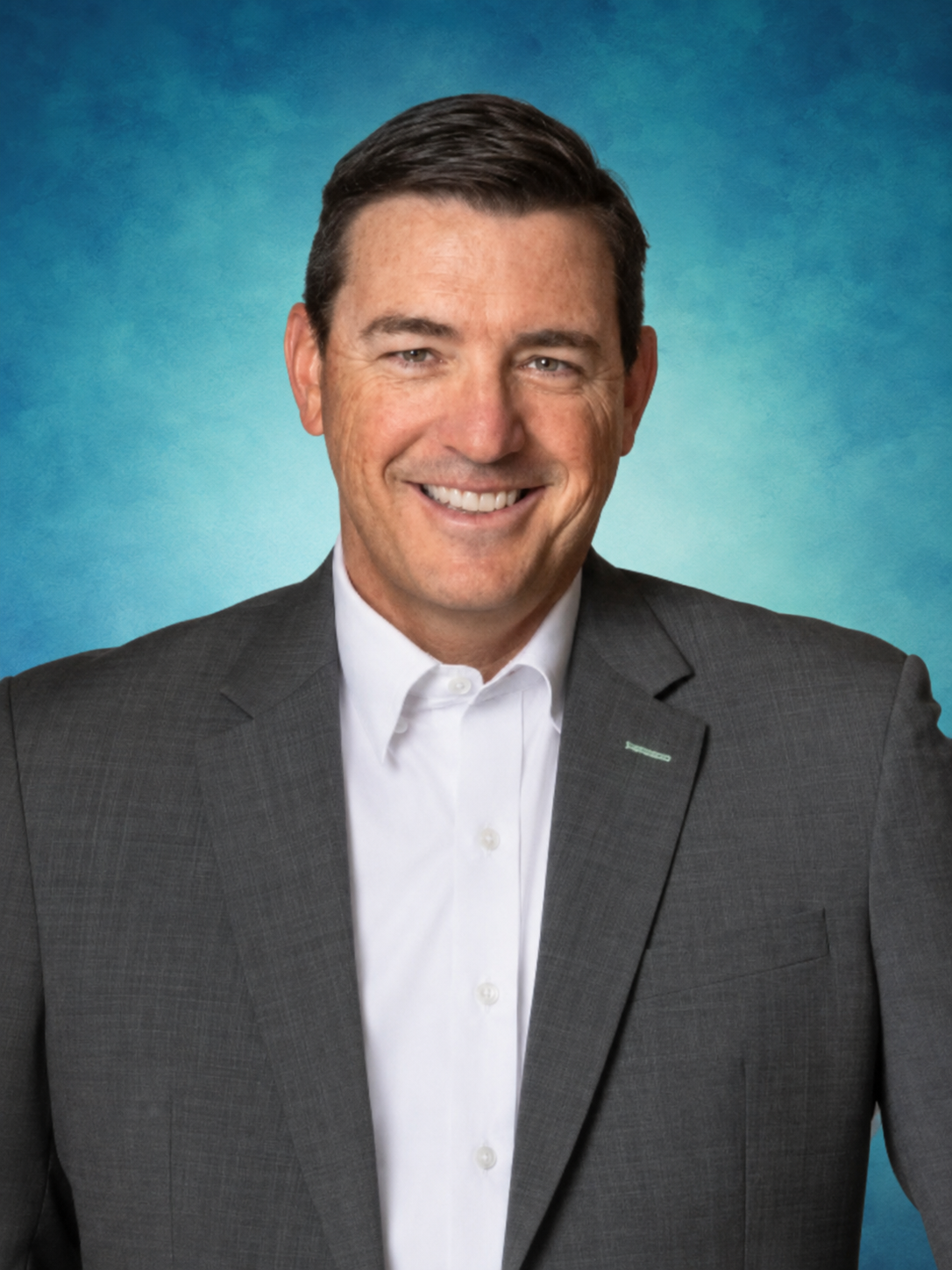
We are especially excited to see the new funding for water statewide approved by the voters in Proposition 4. ACEC played a key role in supporting this initiative, and it represents an important step forward for water and flood infrastructure statewide.
board Chair, ACEC Texas
Senior Vice President and Strategic Growth Officer
STV
Contracting Fairness and Insurability
The organization supported limits on uninsurable indemnity, duty to defend, and inflated standard-of-care language in both public and private contracts.
Those guardrails strengthen risk management by keeping professional exposure closer to what can be priced and insured, rather than forcing commitments firms cannot carry responsibly.
Transportation Funding Mechanism
It also advanced an additional $200 registration fee on electric vehicles, with revenue deposited into the State Highway Fund.
As fleets change, stable revenue matters because it underpins capital programs that sustain Texas infrastructure capacity.
Procurement Confidentiality Protection
ACEC Texas helped protect proprietary information that firms submit during procurement from disclosure under the Public Information Act.
That protection supports risk management differently. It reduces hesitation to compete and protects legitimate competitive inputs. This protection also reinforces a procurement environment where firms can pursue work without exposing sensitive approaches.
Across these outcomes, ACEC Texas works to strengthen the conditions under which firms accept work, manage exposure, and deliver services with confidence.
Member Value Beyond Advocacy: Education, Leadership, and Business Tools
Advocacy can improve the environment in which engineering firms compete and deliver work. Member tools help leaders operate inside that environment with clearer decisions and fewer avoidable surprises.
ACEC Texas delivers that value through education and leadership development that support private practice consulting engineering. Seminars and professional development help firms improve performance and decision-making, and programs like the Leadership Academy help firms build leaders who can take on greater responsibility as the business evolves.
At the local level, monthly meetings and chapter engagement give firms regular touchpoints with peers and industry developments. That continuity matters because procurement and contracting issues often develop at the local level before they become broader statewide concerns.
ACEC Texas also backs engineering firms with practical support for people operations and delivery discipline, including risk management resources that help Texas engineering firms navigate changing contract terms and professional exposure.
Serving Firms of All Sizes and Building a Stronger Industry
ACEC Texas is deliberate about serving the full range of engineering firms in the state, not only the largest players. Swafford notes that while the biggest issues can skew toward larger firms, the organization has been working to bring more direct value to smaller firms as well. “There are a lot of small firms in the consulting world that we are trying to bring better value to.”
In practical terms, that value shows up as access to guidance and resources that smaller firms can use, along with a more level playing field when owners follow Qualifications-Based Selection. It also supports a clearer risk posture when contracting norms are fair and consistently applied, especially for firms with less room to absorb unmanageable exposure.
“Our membership growth continues to reflect the value firms see in collaboration, advocacy, and access to resources that help them succeed in the Texas market,” said McKnight.
That same focus on fairness is strengthened by a culture of competitors working together on shared standards.
That collaboration helps ACEC Texas carry more consistent industry positions into procurement and advocacy discussions across the state.
“I’ve appreciated working with people who, during the day, are cutthroat competitors. But when we get together, everybody brings an awesome commitment to the association,” said Swafford.
The association works because firm leaders volunteer time for industry-wide outcomes, even when their firms compete hard in the market.
What’s Next and How to Stay Connected
The next cycle will test whether projects can be financed and delivered without stalling, even as expectations and capacity continue to shift. For ACEC Texas, the priority is keeping conditions workable so firms can accept work responsibly as Texas infrastructure needs continue to grow.
When funding tightens, coalition-building and public education will matter because communities need to understand what investment enables before they will support it. Qualifications must keep leading procurement, which is why ACEC Texas will keep advancing Qualifications-Based Selection and owner education. Capacity will remain a constraint in many places, so leadership development and practical business support will stay central as firms work to maintain delivery capability.
These are collective pressures, and they respond best to coordinated action. And that is why ACEC Texas emphasizes it across firms and stakeholders.


