ACEC 2026 Engineering Excellence Award Winners

Susan Firey

|

June 19, 2026

The Engineering Excellence Awards are an annual celebration of engineering excellence, honoring projects worldwide that demonstrate creative problem-solving and engineering’s unique ability to improve the world. The ACEC 2026 Engineering Excellence Awards Gala honored 240 member firm projects. A panel of more than 30 judges representing a wide spectrum of built environment disciplines selected 24 projects for this year’s top awards: 16 Honor Awards and 8 Grand Awards, which included one project that won the Grand Conceptor Award for the year’s most outstanding engineering achievement. The EEA Gala was hosted by award-winning comedian Paul Mecurio and drew more than 600 members and guests to recognize and honor exceptional engineering innovation and highlight engineering’s essential value to our society.

2026 Grand Conceptor Award
Award Header Image
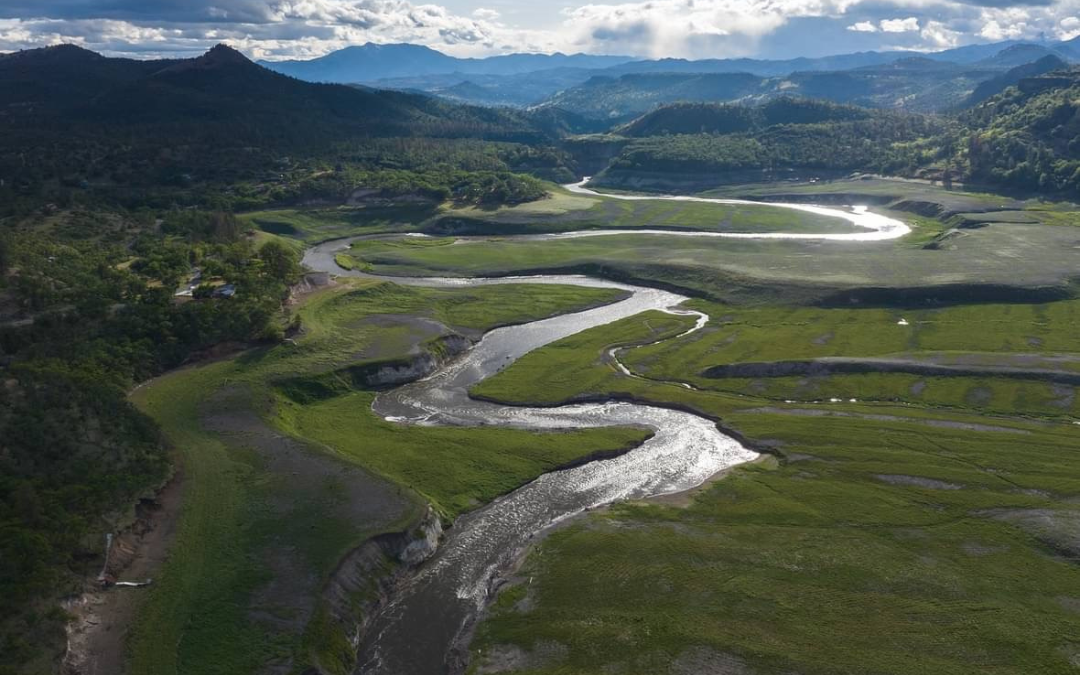
The Klamath River Renewal project is the largest dam removal and river restoration effort in history, removing four hydroelectric dams to reopen hundreds of miles of river habitat. Achieved through consensus among more than 40 stakeholder groups—including Tribal nations, farmers, and local communities—the project addressed longstanding ecological decline, water quality issues, and social conflict. Just months after the final dam was removed, Chinook salmon began returning to tributaries that had been inaccessible for generations.

2026 Grand Awards

Award Header Image
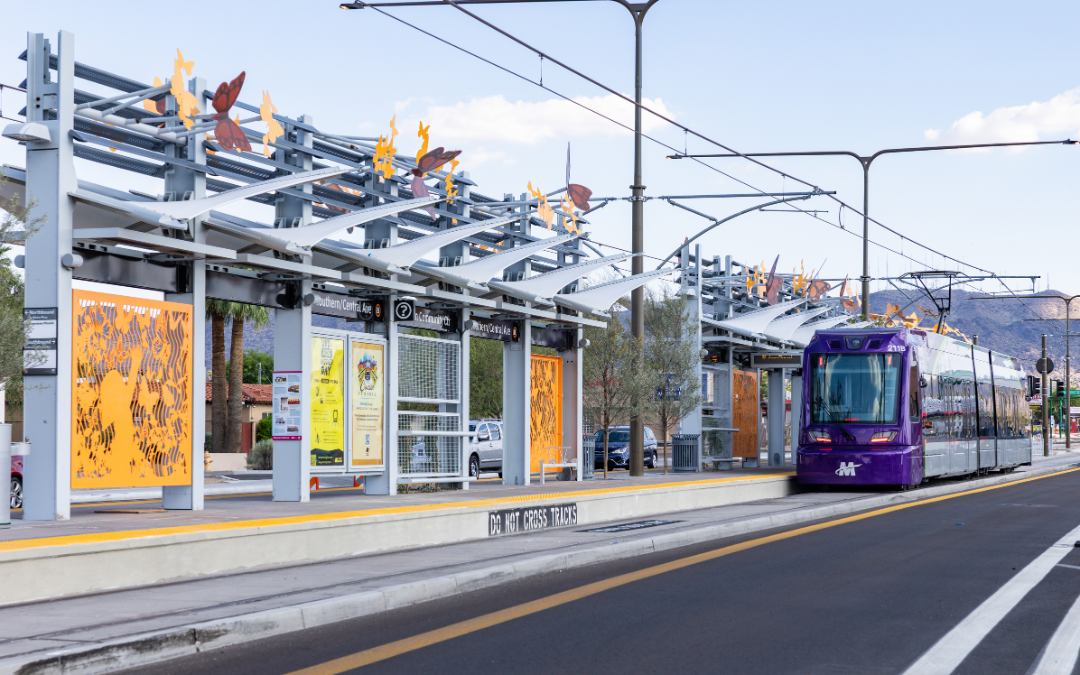
The South Central Extension Light Rail Transit is a 5.5-mile light rail expansion that connects downtown Phoenix with historically underserved South Phoenix. The project delivers 11 new stations, major bridge and roadway improvements, upgraded power and communications systems, and enhanced pathways for pedestrians and cyclists, as well as public art that reflects the cultural identity of the community. Delivered on an accelerated schedule for the 2023 Super Bowl, the extension advances social equity by expanding access to opportunities and resources.
Award Header Image
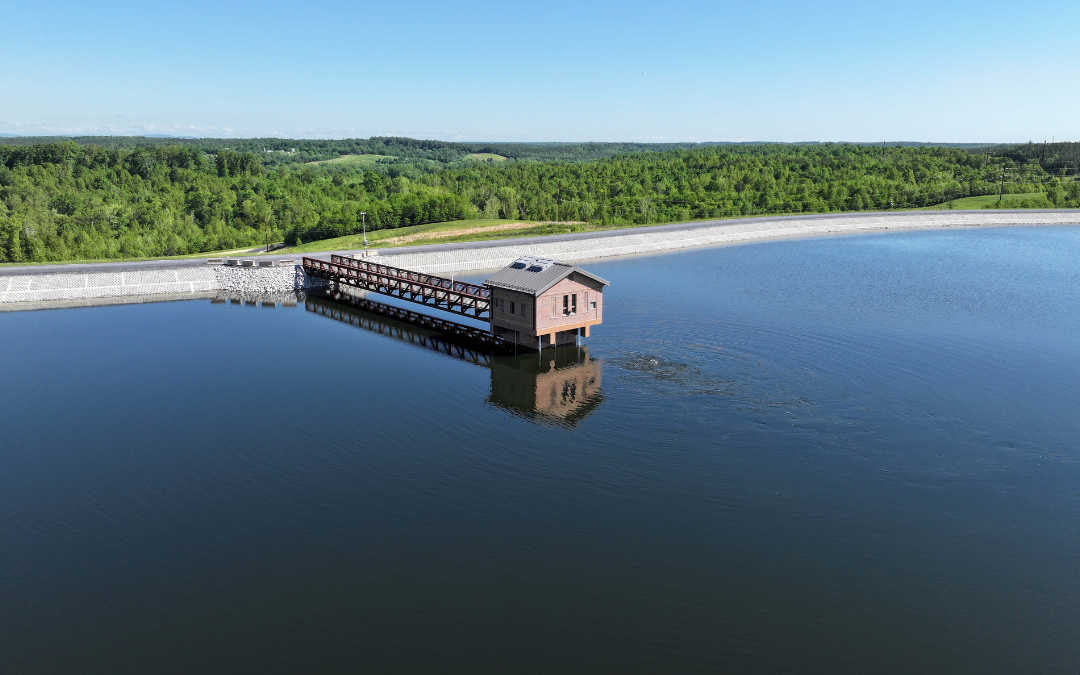
The Richmond, Virginia, metropolitan area has been one of the fastest growing regions in the U.S. since the early 2000s. That population surge, coupled with a historic drought, led to a critical water supply challenge. The Hazelett Reservoir at Cobbs Creek, the largest municipal water supply reservoir in Virginia, is a 14.8-billion-gallon pumped storage system that captures water from the James River during high-flow periods and returns it during low-flow periods. The result is a resilient water supply that addresses decades of demand, protects river health, and strengthens community resilience.
Award Header Image
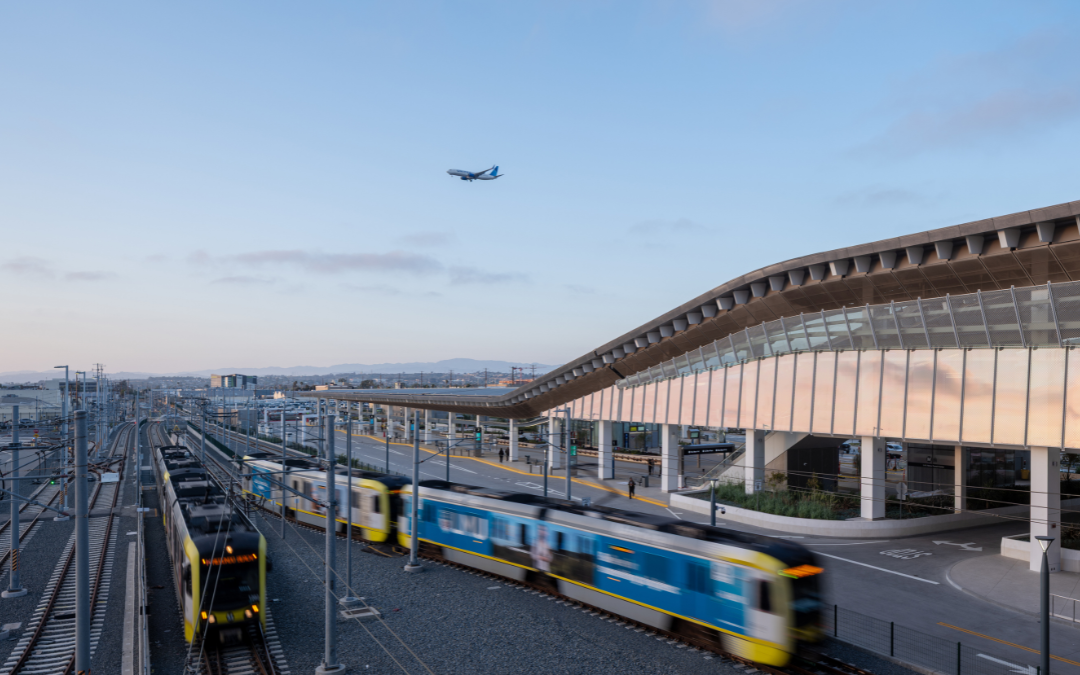
Opened in June 2025, the LAX/Metro Transit Center is a multimodal transit hub that connects Los Angeles International Airport (LAX) to the area’s regional rail, bike, and bus networks. Designed for daily volumes and major events such as this summer’s FIFA World Cup and the 2028 Olympics, the Center fills a longstanding gap in the transit infrastructure of America’s second-largest city and one of the world’s busiest airports. Delivery required intensive coordination across multiple agencies and transit operators.
Award Header Image
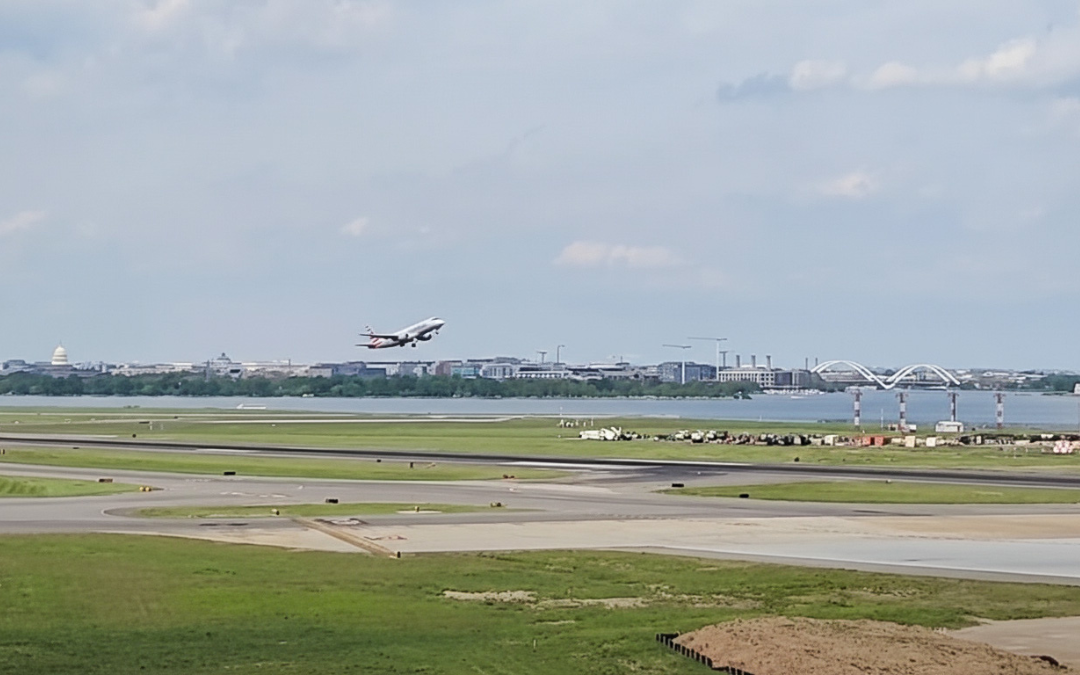
Ronald Reagan Washington National Airport (DCA) is home to America’s busiest runway. With planes departing or landing every 90 seconds during operating hours, this pavement and lighting replacement project demanded an innovative approach to avoid disrupting daily operations. When pavement analysis revealed that a full-depth replacement was necessary, the team proved this could be accomplished within seven-hour overnight construction windows between 11 p.m. and 6 a.m. The project spanned two years of coordinated nightly closures and demonstrated that major infrastructure improvements can be achieved on active runways without compromising airline operations.
Award Header Image
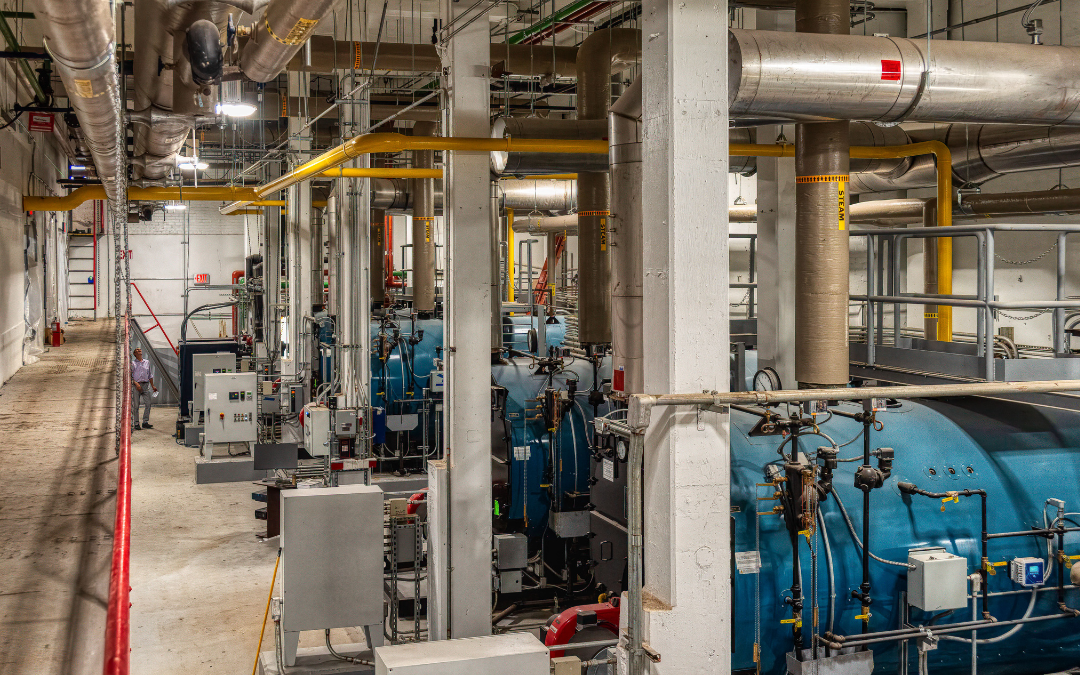
The New York City Housing Authority’s (NYCHA) geothermal upgrade at Eastchester and Jackson Houses in the Bronx is the largest residential geothermal system in New York State and one of the largest in the Northeast. The project team replaced fossil-fuel-based hot water and heating across 1,745 apartments and 17 buildings with a high-efficiency closed-loop geothermal heat pump system. The system aligns with New York City Local Law 97’s targets of 40 percent carbon reduction by 2030 and 85 percent carbon reduction by 2050 and serves as a replicable model for urban decarbonization.
Award Header Image
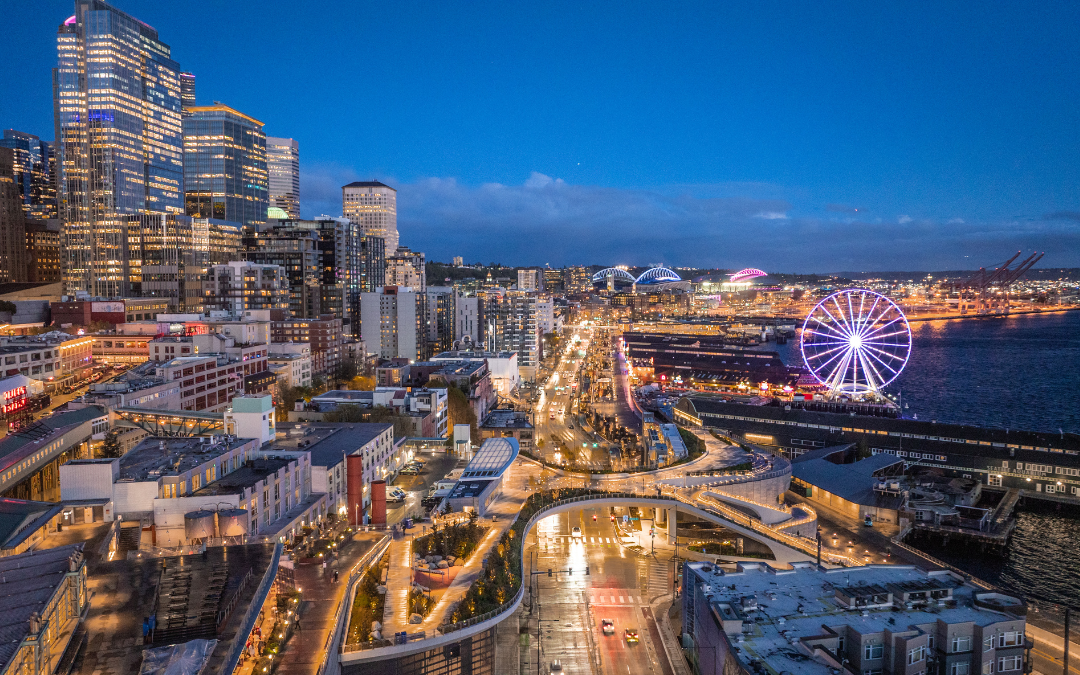
Following the removal of Seattle’s aging Alaska Way Viaduct, the Waterfront Seattle Program transformed 26 city blocks and 1.5 miles of shoreline into a vibrant, accessible, and climate-resilient public space. Waterfront Seattle integrates more than 12 discrete projects, including Alaskan Way/Elliott Way, Overlook Walk, Piers 58 and 62, and two pedestrian bridges. All told, the team delivered 55,000 square yards of new and restored pavement, 16,000 linear feet of upgraded utilities, and 4.2 acres of landscaping with more than 150,000 native plants. Waterfront Seattle reclaims the Emerald City skyline, reconnecting residents and visitors to Puget Sound and the Olympic Mountains.
Award Header Image
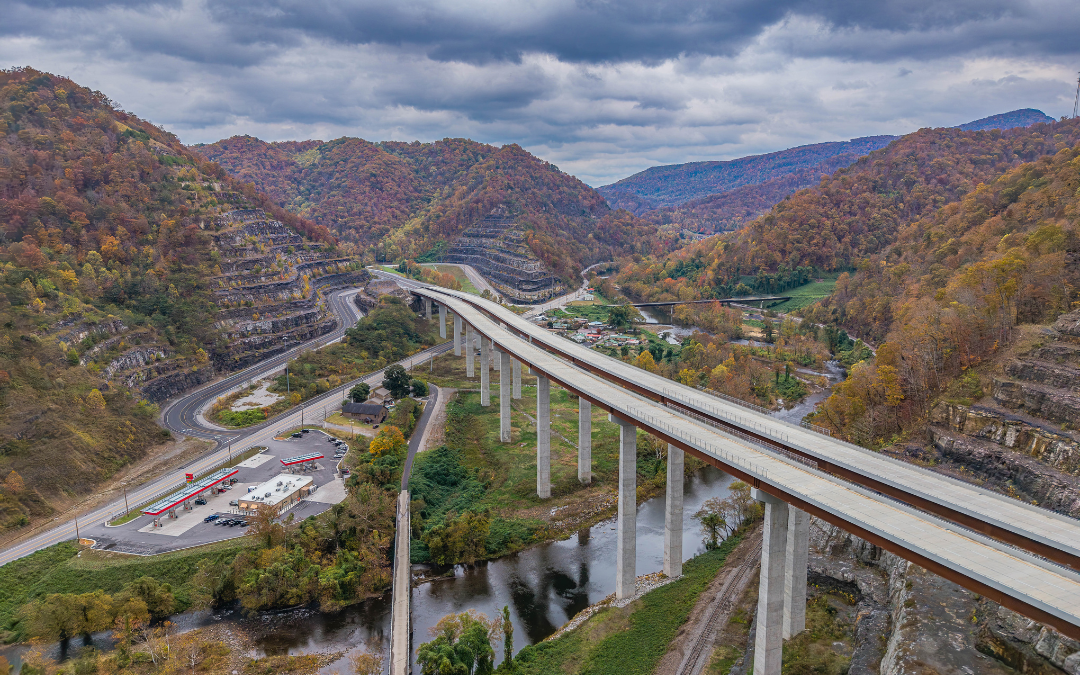
The U.S. 460 Corridor Q project is a 16.7-mile, four-lane relocation from U.S. 23 south of Pikeville, Kentucky, to the Virginia state line near Brooks Interstate Park. The relocation demanded innovative engineering to navigate mountainous terrain, active and abandoned coal mines, natural gas infrastructure, and both commercial and residential properties. Eleven bridges were constructed, including the Pond Creek bridges, now Kentucky’s tallest. The new corridor sets a standard for mountainous highway engineering, delivering mobility and connectivity across Eastern Kentucky and throughout Appalachia.

Topics covered in this article

About the author

Susan Firey

Susan Firey is ACEC's senior communications writer.