ACEC 2026 EEA Honor Award Winners
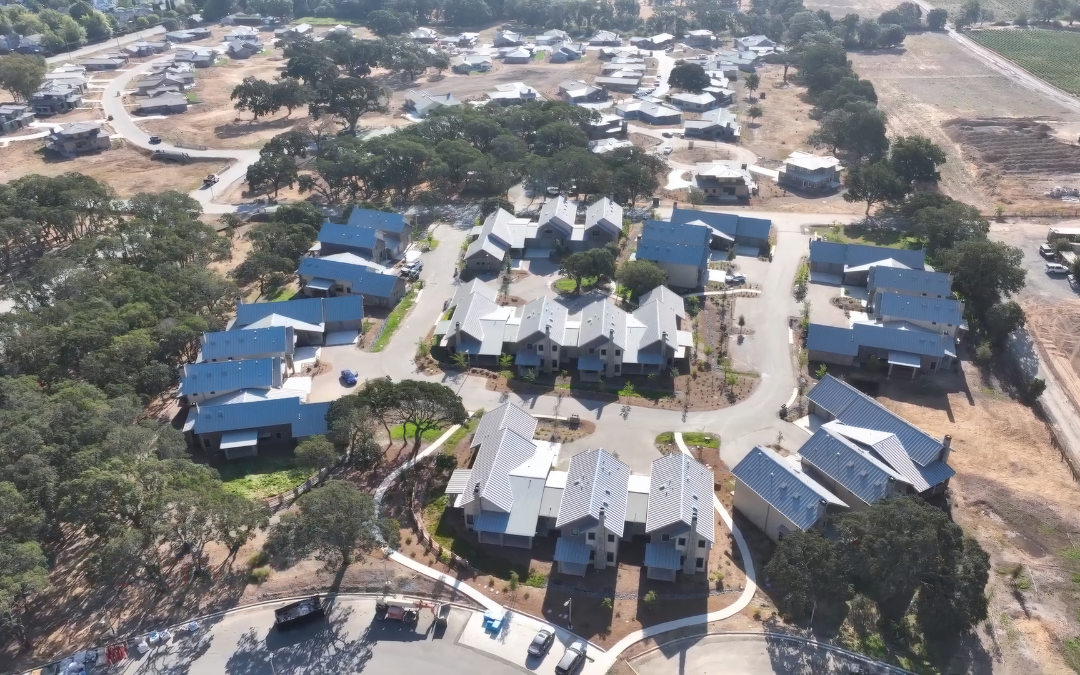
The Lytton Band of Pomo Indians was displaced from their ancestral homeland in the 1950s. Lytton Rancheria is a 147-unit, sovereign, self-sufficient homeland built on 50 acres of Sonoma County hillside. The project required navigating Bureau of Indian Affairs environmental reviews while addressing the region’s steep terrain and dense oak woodland, which was preserved by eschewing mass grading in favor of individual site analyses for every home. Built with an eye toward sustainability, Lytton Rancheria’s 2.3-megawatt solar field generates 3.5 kWh annually (100 percent of the community’s energy usage), while a membrane bioreactor wastewater plant recycled 2.7 million gallons of water for community irrigation in 2024.
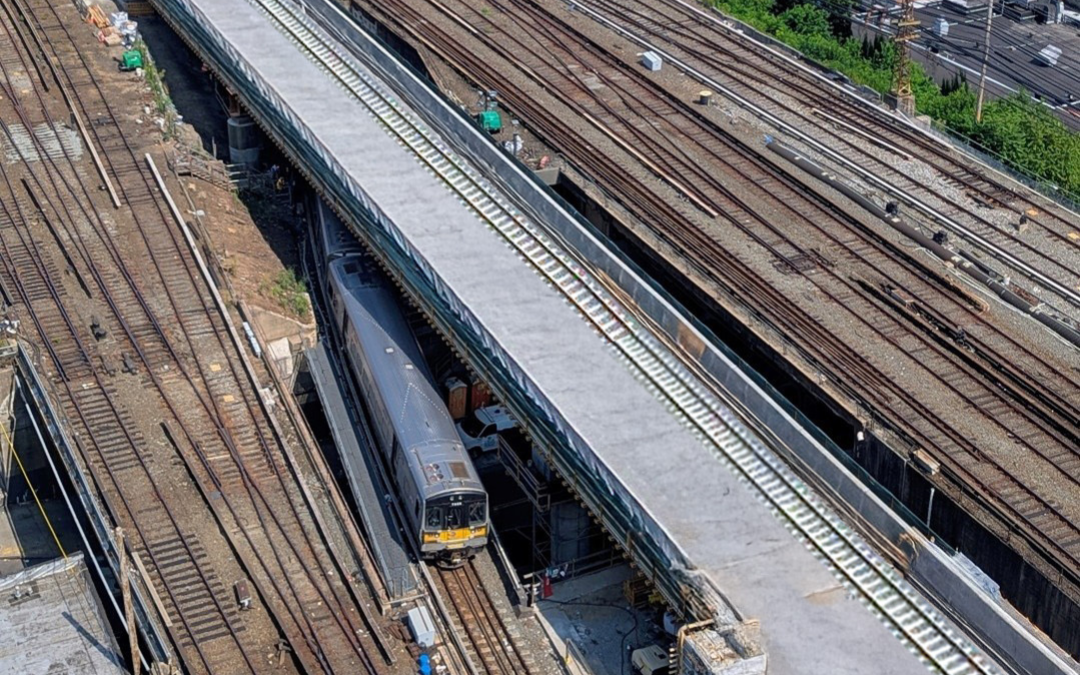
The Hall Interlocking Expansion is a central component of the Jamaica Capacity Improvement (JCI) program, designed to eliminate one of the Long Island Rail Road’s (LIRR) most persistent operational logjams at Jamaica Station, the system’s busiest and most complex hub. Hall Interlocking historically forced trains to cross paths at Jamaica Station, creating delays and compromising system efficiency. This project team expanded and reconfigured the interlocking to support more efficient train movement by reducing the number of conflict points. The addition of new tracks and platforms, along with enhanced signaling, increases routing flexibility—a major modernization effort that supports mobility throughout the region and positions the LIRR for future service growth.
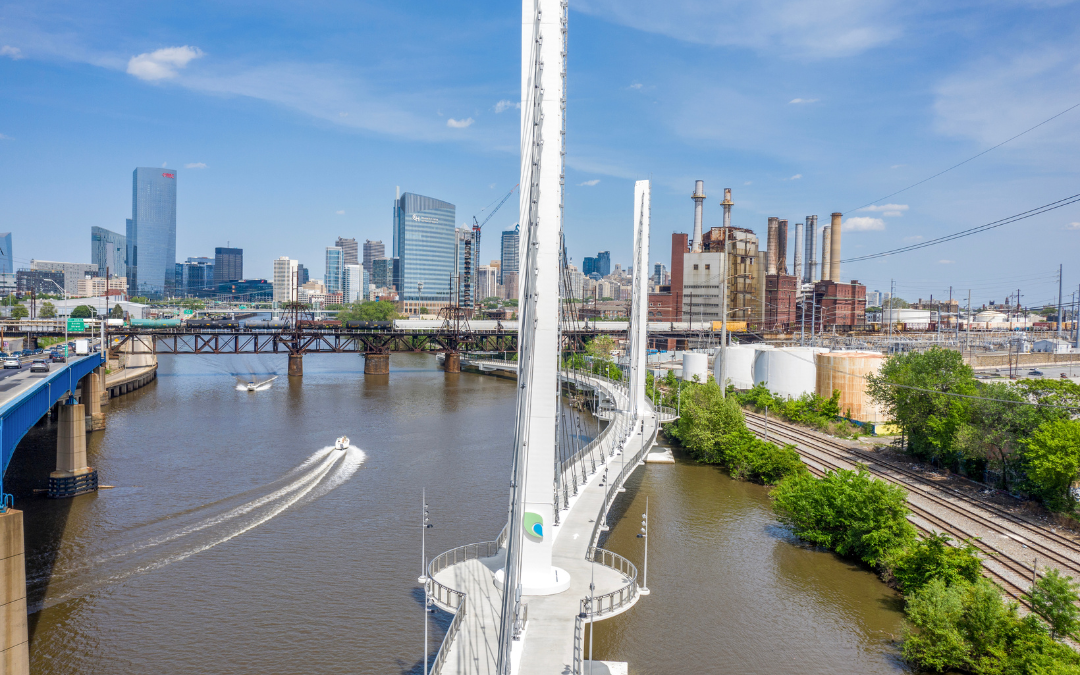
The Christian to Crescent Bridge is a 650-foot-long, 25-foot-wide cable-stayed pedestrian and cyclist bridge along Philadelphia’s Schuylkill River. For years, an active industrial zone forced pedestrians and cyclists onto unsafe, less sustainable routes, and cut off neighborhoods from Center City. The bridge closes a critical half-mile gap in the Schuylkill River Trail, restoring direct car-free access and drawing more than 20,000 daily users in its first week. By connecting underserved communities to Center City, the bridge fosters inclusion, expands economic opportunities, and promotes healthier lifestyles through cycling and walking.
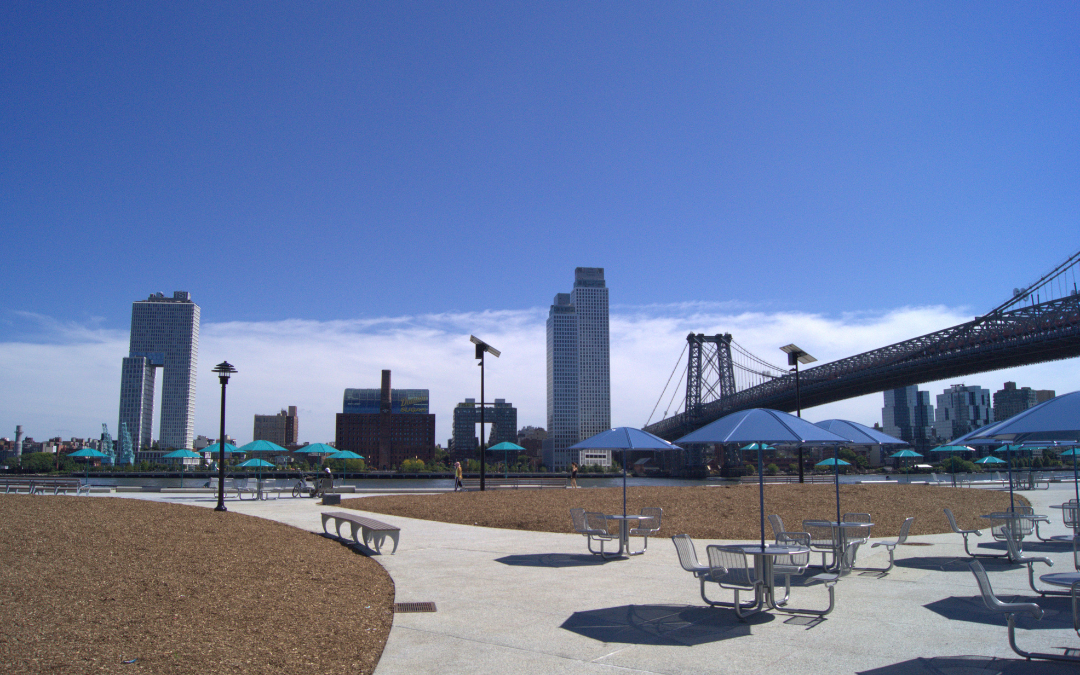
East Side Coastal Resiliency delivers flood protection along 2.4 miles of Lower Manhattan’s East River shoreline, safeguarding more than 100,000 residents in some of New York’s most vulnerable neighborhoods. The project completely reconstructed East River Park, raising elevations 8−12 feet to transform the space into a seamless blend of resilient landscape, recreational amenities, and hardened flood defense, all while maintaining universal waterfront accessibility. The design team navigated the unique challenges of century-old infrastructure, multiple jurisdictions, and heavily trafficked roadways to ensure a sustainable, adaptable, and livable outcome for residents.
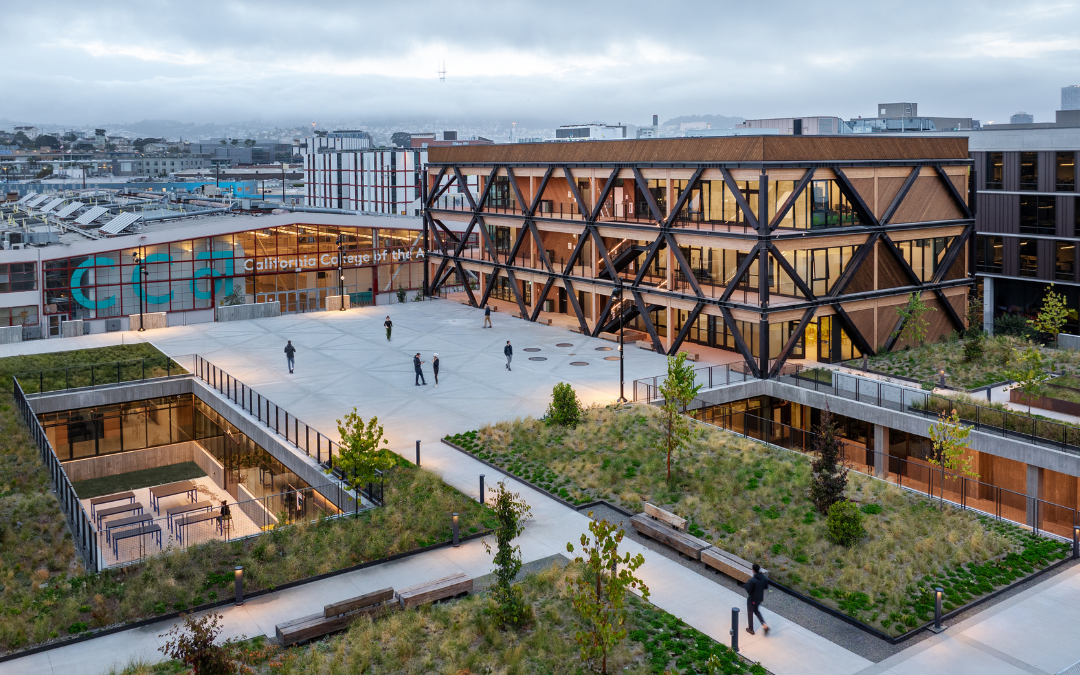
The California College of the Arts (CCA) Campus Expansion demonstrates that sustainability and seismic safety can coexist. It is the first building to use a hybrid timber-steel eccentric braced frame in a high-seismic zone. Steel link beams provide ductility while timber braces remain elastic, an innovative, peer-reviewed approach that decouples gravity and lateral systems. Beyond its technical innovation, the CCA serves as a living lesson in sustainable design. The structure minimized its carbon footprint by replacing significant steel with timber, utilizing low-carbon concrete, and optimizing materials throughout.
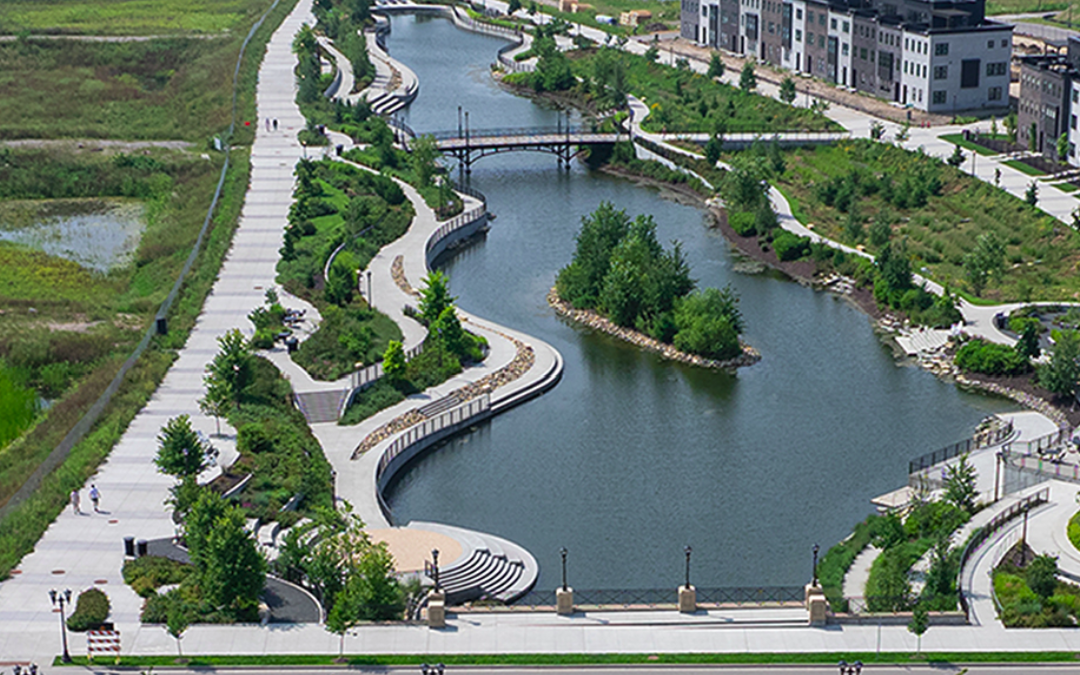
Highland Bridge is the culmination of a nearly two-decade redevelopment effort that transformed 122 acres into a mixed-use, sustainability-focused community. The project blends high-density commercial and residential development with more than 55 acres of usable open space, including bikeways, walkways, ball fields, and public parks. The project’s defining innovation is its stacked infrastructure approach, layering stormwater, transportation, and utility systems both physically and functionally to maximize space efficiency and environmental performance. Highland Bridge demonstrates that dense urban development and natural resource restoration can reinforce each other.
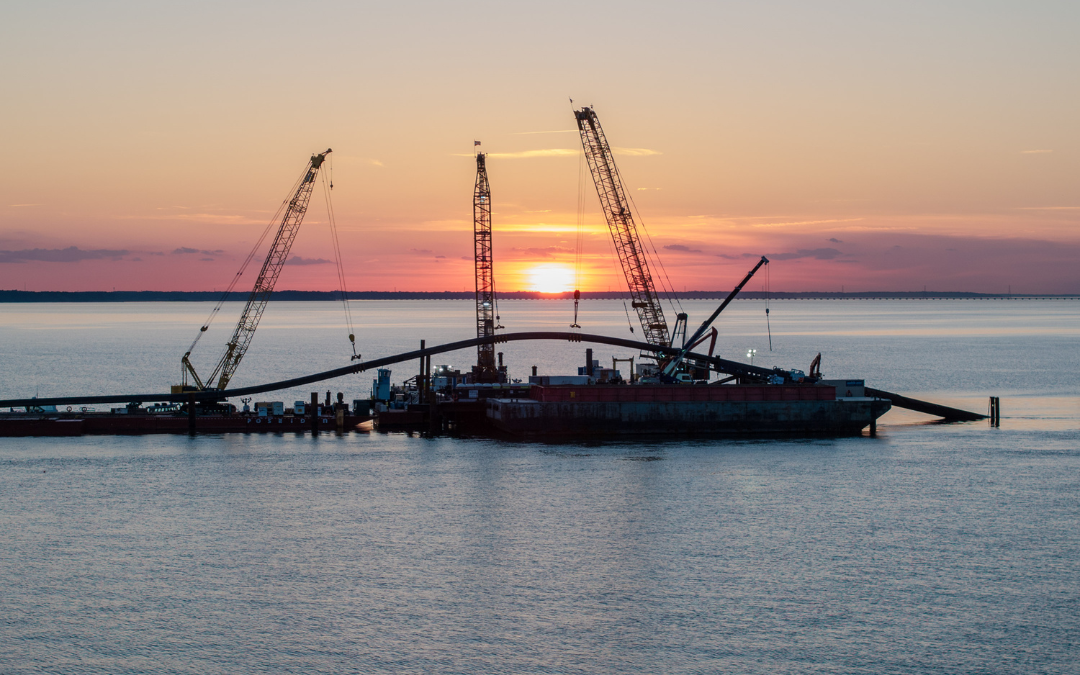
James River Crossing is a landmark pipeline project connecting a new 45-million-gallon-per-day pump station in Newport News, Virginia, to the Nansemond Treatment Plant in Suffolk, spanning more than 4.5 miles of large-diameter HDPE pipe beneath the Newport News shipping channel and across the James River. Wastewater that would otherwise be discharged into local rivers is treated to drinking water standards, then used to replenish the Potomac Aquifer, the region’s primary groundwater source. Because the project necessitated crossing one of the East Coast’s busiest ports without disruption, the team implemented trenchless installation using horizontal directional drilling, setting a world record in the process.
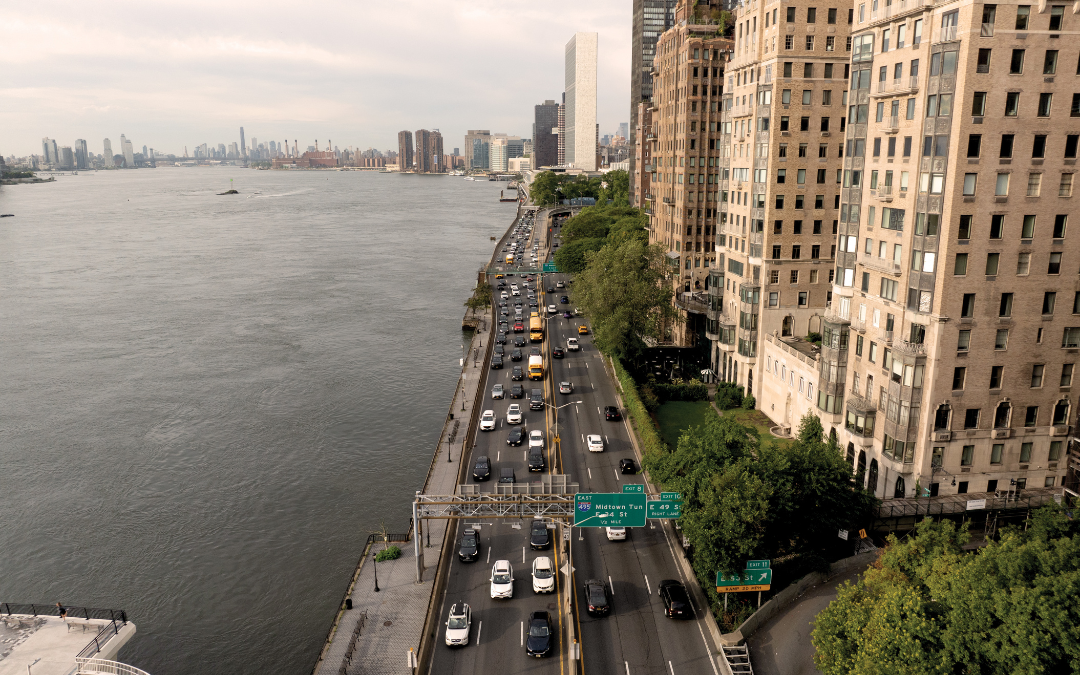
The Central Business District Tolling Program is North America’s first congestion pricing system, charging drivers entering Manhattan’s Congestion Relief Zone (CRZ). The program is designed to ease traffic, encourage mass transit, and generate revenue for transportation improvements. The system uses E-ZPass technology, license plate data, and AI systems to identify vehicles, with minimal physical infrastructure beyond approximately 110 detection points throughout the CRZ. Since the toll program’s launch in January 2025, daily vehicle entries have dropped by approximately 73,000, and more than $550 million in net revenue has been generated.
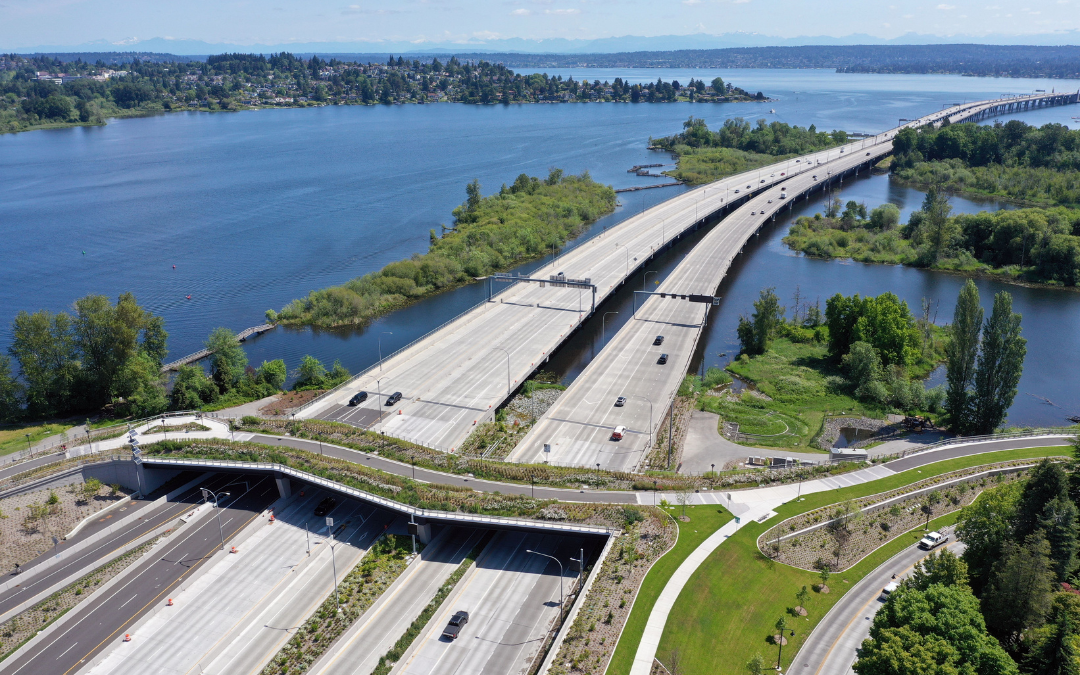
This project heals a decades-old division in Seattle’s Montlake neighborhood. The original 1960s highway, built on earthquake-vulnerable hollow columns, severed the community and reached capacity on its four-lane design. The Montlake Lid and Bridges project caps the highway with a block-long landscaped lid that carries a land bridge for pedestrians and cyclists and reconnects the neighborhood. To make this happen required decades of community engagement, Native American tribal consultation, and multiagency coordination, proving major highway projects can prioritize people alongside mobility.
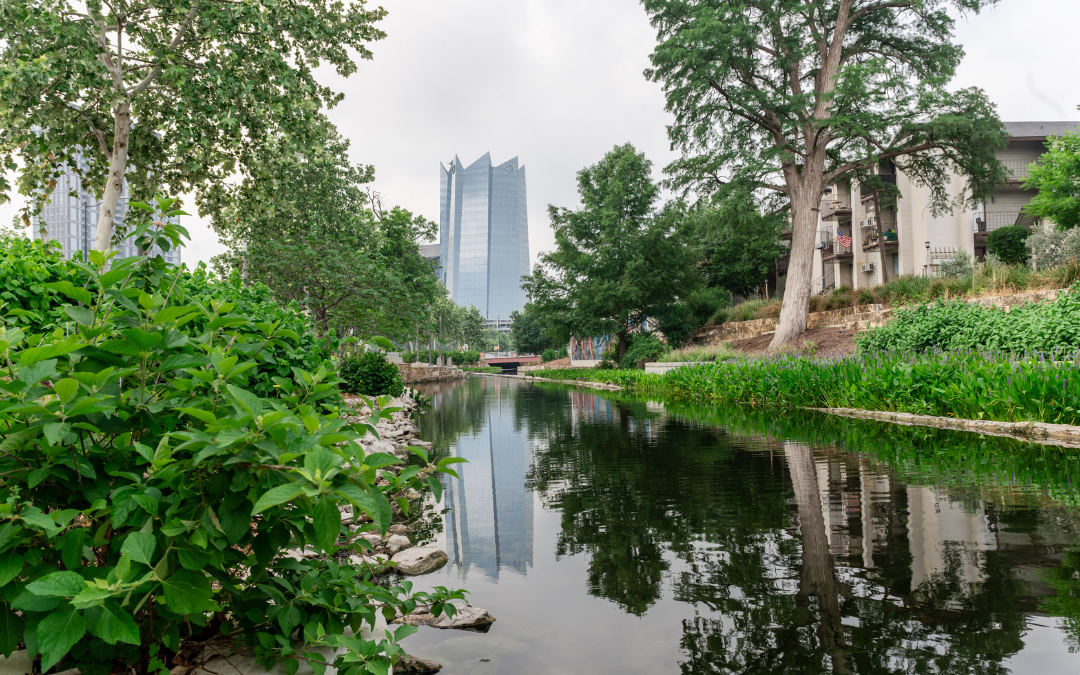
San Pedro Creek was once a dreary concrete channel in a forgotten corner of San Antonio, until a decade of planning and construction transformed it into a 2.2-mile linear park that seamlessly integrates flood control, ecological restoration, and cultural celebration. Nearly 60 percent of the original 200-year-old retaining walls were preserved, while more than 10,000 plants turned the sterile channel into a functioning ecosystem. The discovery of the St. James African Methodist Episcopal Church temporarily paused construction while the team modified the design to incorporate the ruins into the design. The result is a living space that protects against 100-year floods while drawing communities together.
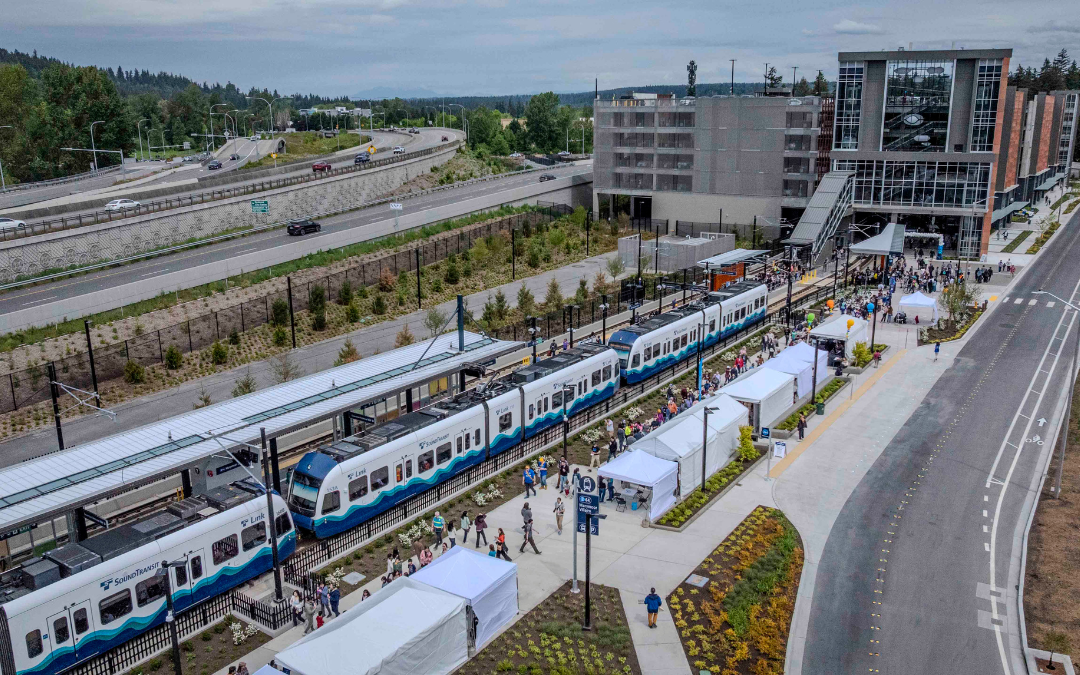
The Downtown Redmond Link Extension (DRLE) adds 3.4 miles of light rail from Redmond Technology Station to Redmond Town Center. Designed to boost regional mobility and expand access to jobs, parks, and neighborhoods, the DRLE strengthens the economic and social fabric of Redmond’s growing urban center. The extension weaves through sensitive areas like the Sammamish River, Bear Creek, and Marymoor Park, integrating at-grade and elevated stations, a major parking structure, and extensive roadway enhancements. The DRLE is a model of sustainable infrastructure that connects communities, protects ecosystems, and lays the foundation for a more accessible future.
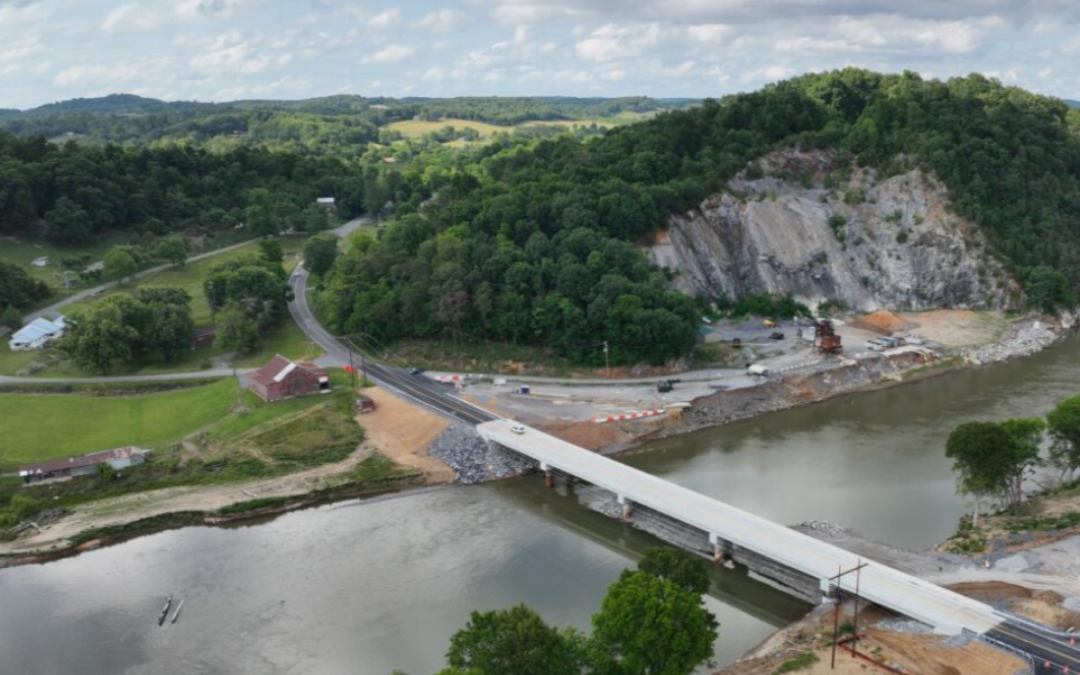
In 2024, Hurricane Helene devastated parts of East Tennessee. The storm washed away two key bridges on SRs 81 and 107, immediately cutting off communities and creating onerous detours for everyday tasks. To accelerate recovery, the Tennessee Department of Transportation (TDOT) used its first progressive design-build contract to rebuild both bridges. The team delivered the project within eight months (nearly a month ahead of schedule), all while partnering concurrently with the Appalachia Service Project on housing recovery. The new bridges were celebrated at well-attended ribbon-cutting ceremonies, marking a community-driven recovery defined by both urgency and resilience.
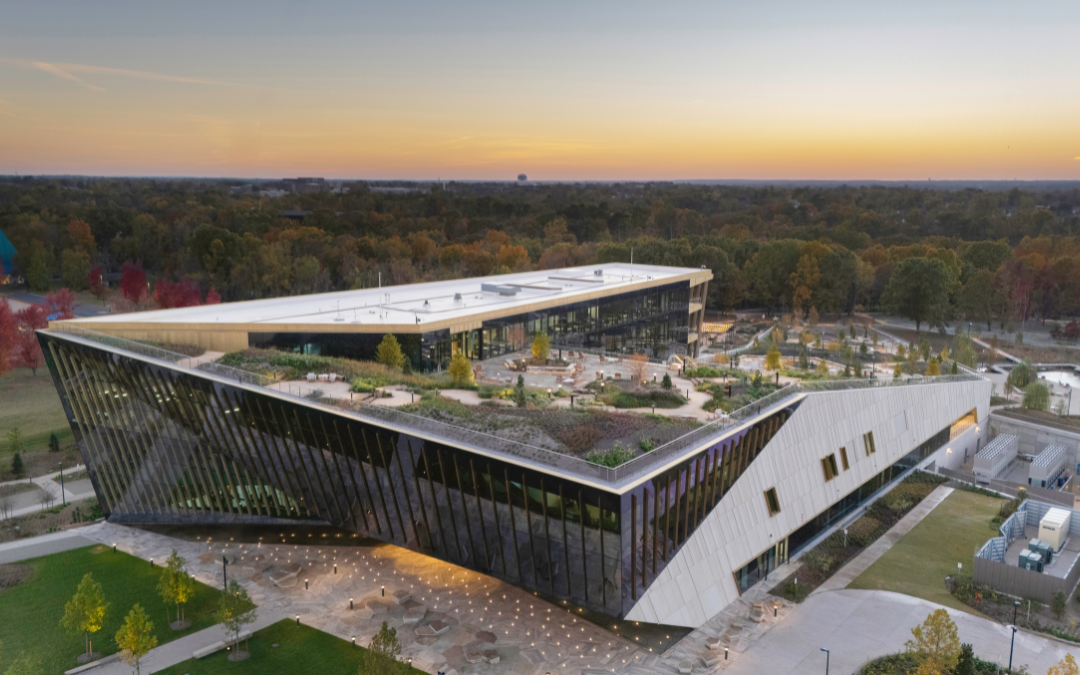
The Alice Walton School of Medicine (AWSOM) is a medical education campus designed to blend learning, wellness, and community engagement. The facility’s centerpiece is a two-acre rooftop park that extends the academic environment into the outdoors by linking gathering areas, terraces, and walking paths. By integrating gathering areas, a creek-like water feature, and open green space, the campus invites residents to engage with the environment alongside students and faculty. AWSOM welcomed its first class in August 2025, delivering a campus that advances medical education while strengthening community connection and well-being.
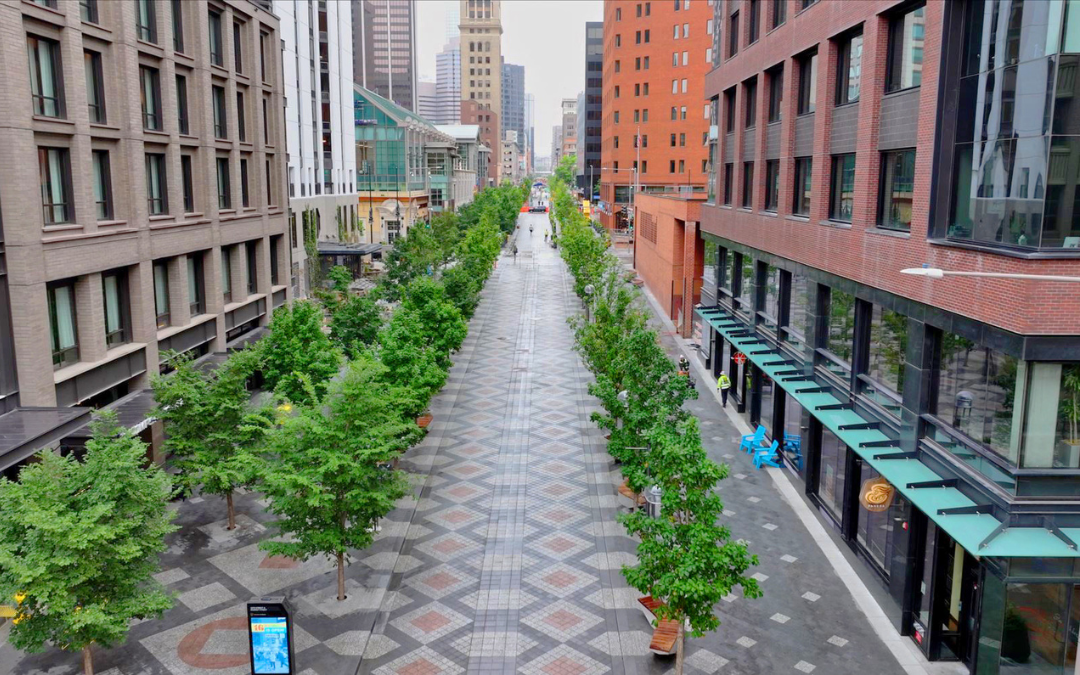
Serving as Denver’s “Main Street,” 16th Street links the Civic Center─including the Colorado State Capitol─with the Union Station transit hub. Spanning roughly 13 blocks, the corridor is one of the Mile High City’s key connectors for tourism, arts, culture, and employment. The redesign replaces aging infrastructure with durable, equitable public space, all while preserving the historic granite paver aesthetic from its 1980s I.M. Pei concept. Early data show that the project is yielding economic dividends; public activity in the area has surged. Visits were up 24 percent year over year in June 2025, even before the corridor was fully operational.
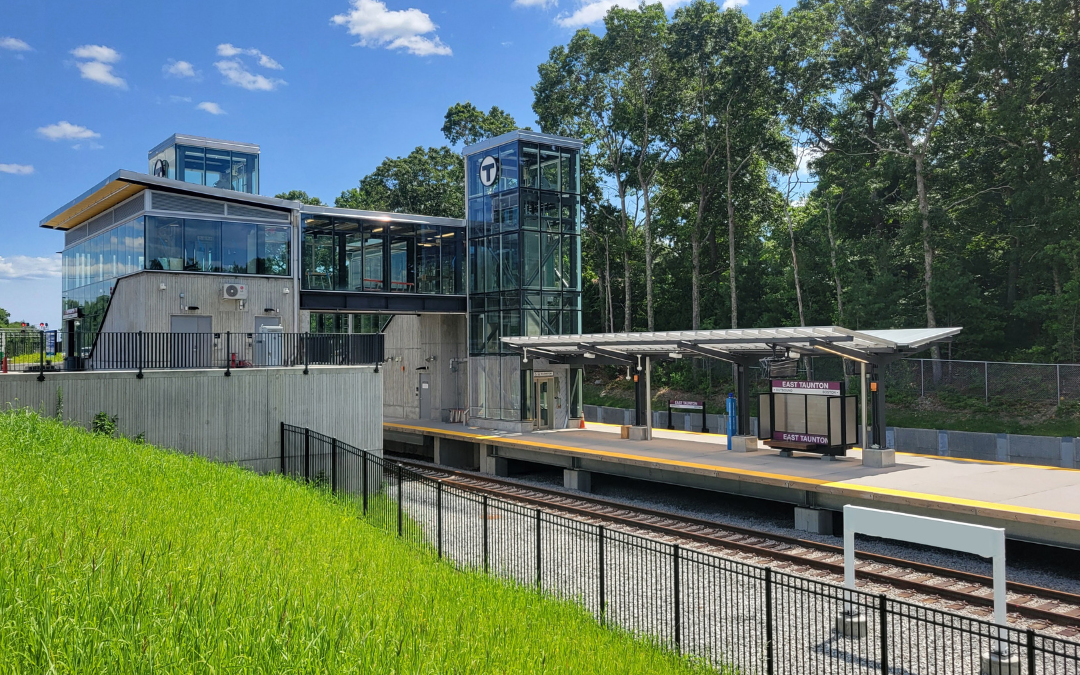
March 24, 2025, marked a major milestone for Massachusetts with the launch of passenger rail service between Boston and the South Coast for the first time in 65 years, reconnecting communities that had long been separated from the Bay State’s economic center. The expansion includes 37 miles of track, six fully accessible stations, modern signals, and safer bridges and crossings. The benefits already are tangible: rising economic activity (including a six percent spike in South Coast home sales) and thousands of future car trips replaced by cleaner rail travel. With seven million rail trips projected over the next eight years, the service will strengthen opportunity and mobility for the region’s residents.
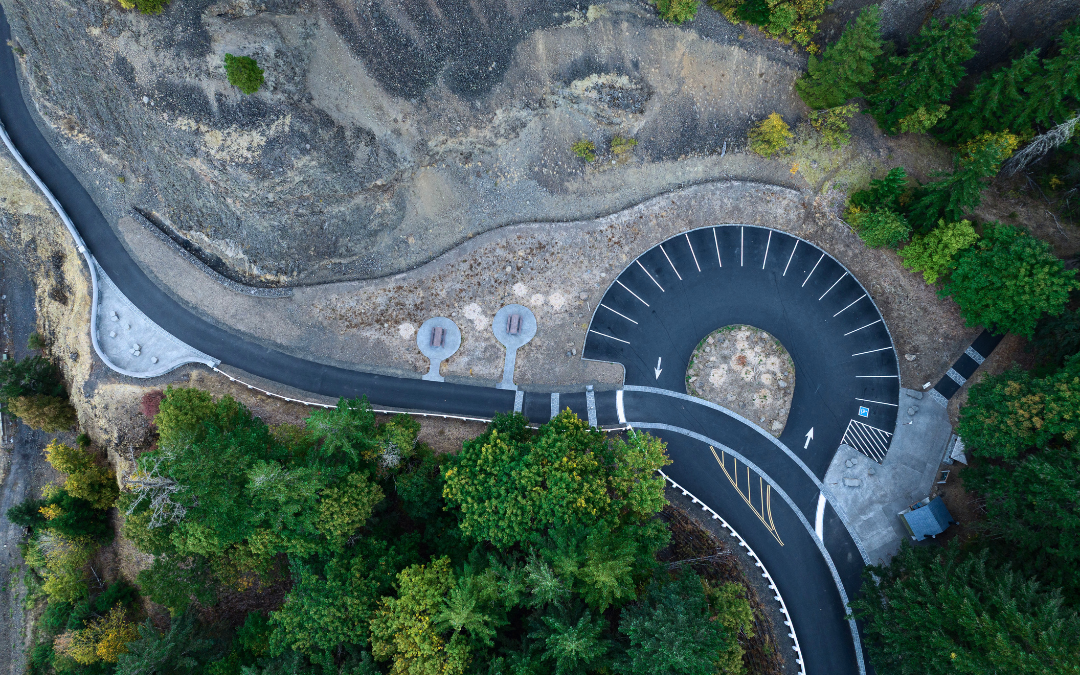
The Mitchell Point Tunnel restores a missing link along Oregon’s Historic Columbia River Highway, reconnecting a 73-mile scenic trail that had been severed for decades. Rebuilding the tunnel required navigating extraordinary constraints, including a sheer basalt cliff 100 feet above Interstate 84, active rail lines below, strict environmental protections, and the need to honor the original 1915 design. Sustainability guided construction, with 8,000 cubic yards of excavated basalt repurposed for use on adjacent trail segments. Opened in March 2025, the tunnel has quickly become one of Oregon’s premier destinations.